 TS
TST Saavedra
US
★★★★★
Ultimate Luxury Everest Base Camp Trek
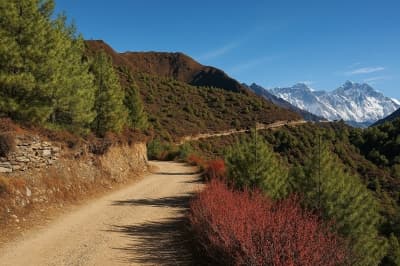
After years of exploring various destinations, Everest Base Camp remained on our bucket list as that one intimidating challenge. The logistics alone seemed overwhelming, and we wondered if we could handle such a demanding trek at this stage of our lives. When we discovered Amigo Treks and Expedition's "Ultimate Luxury Everest Base Camp Trek," we were intrigued by the possibility of experiencing this legendary destination without sacrificing comfort. Arriving in Kathmandu: First Impressions Matter The moment we landed in Kathmandu, we knew we had made the right choice. After a lengthy international flight, the last thing anyone wants is confusion at the airport. The Amigo team was waiting with clear signage and immediately took care of our luggage and transportation to a well-appointed hotel in the city center. This attention to detail set the tone for what would become a consistently well-managed experience. Our exploration of Kathmandu Valley unfolded at a comfortable pace in a private vehicle, allowing us to visit the UNESCO World Heritage Sites without the usual tourist rush. The welcome dinner featured authentic Nepali cuisine and traditional cultural performances, providing meaningful context for the adventure ahead. These initial experiences demonstrated the company's understanding that a successful expedition begins long before reaching the mountains. The Journey Begins: Helicopter Transport to Lukla Rather than taking the standard commercial flight to Lukla, we traveled by private helicopter directly from Kathmandu. This decision proved transformative, offering unobstructed views of the Himalayan range and eliminating potential delays from weather-related flight cancellations. The helicopter approach also provided our first comprehensive view of the terrain we would be traversing, creating anticipation rather than anxiety about the challenge ahead. Upon landing in Lukla, our guides and support team were prepared and organized, facilitating a smooth transition from air travel to the beginning of our trek. This seamless coordination became a consistent theme throughout our expedition. Trekking with Professional Support The trek itself exceeded our expectations for both adventure and comfort. Our experienced guides managed all logistical elements, allowing us to focus entirely on the experience rather than worry about daily arrangements. The route through villages like Phakding and Namche Bazaar was carefully planned with appropriate acclimatization stops, demonstrating genuine concern for trekker safety and comfort. The accommodation selections along the route proved exceptional. Properties such as Yeti Mountain Home, Everest View Hotel, and Culture Home provided comfortable lodging with amenities rarely found at such altitudes. Features like heated rooms, quality bedding, and well-prepared meals addressed the practical challenges of high-altitude trekking while maintaining the authentic mountain experience we sought. These accommodations served a crucial function beyond comfort. After demanding days of trekking, proper rest and nutrition became essential for maintaining energy and enjoyment throughout the journey. The thoughtful selection of lodging directly contributed to our ability to complete the trek successfully. Reaching Our Destination: Base Camp and Kala Patthar The approach through Lobuche and Gorakshep built anticipation for the final objectives. Witnessing sunrise from Kala Patthar over Mount Everest provided the emotional highlight of our expedition. The following day's arrival at Everest Base Camp fulfilled a long-held goal and created a lasting sense of personal accomplishment. The consistent support throughout these final stages allowed us to remain present and engaged with the experience. Rather than managing fatigue or logistics concerns, we could appreciate the significance of reaching these iconic destinations and the remarkable landscape surrounding them. Efficient Return Journey The helicopter return to Kathmandu proved as valuable as the initial flight to Lukla. This approach avoided the lengthy trek back through familiar terrain and provided a final aerial perspective of our entire route. The efficiency of this return allowed more time for reflection and recovery before our departure from Nepal. Overall Assessment This expedition with Amigo Treks and Expedition successfully combined adventure with practical comfort. Several elements distinguished this experience from standard trekking packages. The inclusion of buffer days in the itinerary demonstrated realistic planning for mountain weather conditions. The quality of guides and support staff ensured both safety and cultural education throughout the journey. The comprehensive service approach eliminated routine concerns about meals, permits, and transportation. For travelers seeking a challenging adventure without compromising on service quality, this approach to Everest Base Camp proves highly effective. The experience delivered both the personal satisfaction of completing a demanding trek and the comfort level necessary for full enjoyment of this remarkable destination. The investment in professional planning and quality accommodations transformed what could have been an endurance test into a memorable and enriching travel experience. Our journey to Everest Base Camp will remain a highlight of our travel experiences, combining personal achievement with the discovery of Nepal's extraordinary mountain culture.
Read full review ->