Article quick answer
Joint Families: Here still exists a tradition of joint family. Generally, 3 generations live together- grandparents, parents, and children. Swings in Dasain: Dasain is the main...
Use this article as planning context, then shape the actual route, pace, dates, and comfort level with the Amigo team.
Article workflow
Get the answer, keep the context, then plan the next step
Use the quick answer for orientation, read the relevant sections in context, then continue into the most useful planning page.
-
01
Start with the answer
Use the summary to understand the main point before reading the full explanation.
-
02
Read with context
Jump to the sections that matter, while keeping dates, caveats, and route context together.
-
03
Continue planning
Use the related guides, destination pages, or itineraries selected for this topic.

- Joint Families: Here still exists a tradition of joint family. Generally, 3 generations live together- grandparents, parents, and children.
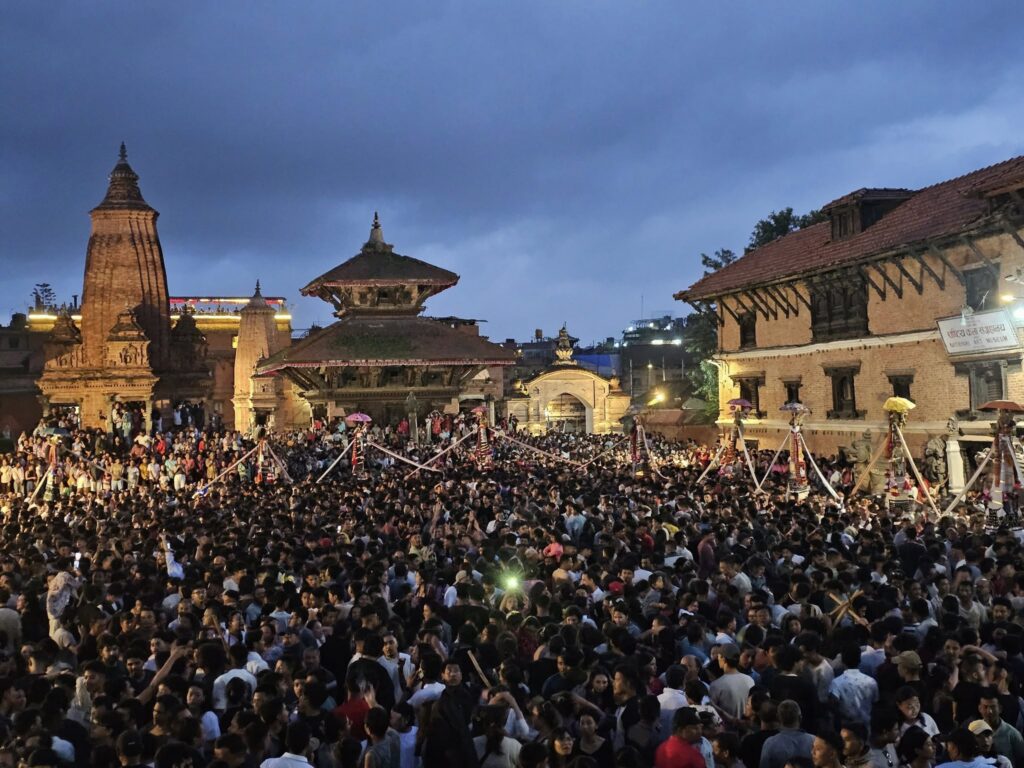
- Swings in Dasain: Dasain is the main festival in Nepal. It is celebrated for 15 days. It’s a tradition that people should leave the floor for at least a few seconds on the main day of Dasain and for this Swings are constructed with Bamboos and Rope in open areas.
- Deusi and Bhailo in Tihar: Tihar is the second main festival celebrated in Nepal. This is celebrated for 5 days. On the 3rd day, the girls go for Bhailo in the evening till night. Girls gather and go from one house to another singing and dancing, for this they are given money and sweets prepared for celebrating Tihar. On the 4th day boys go for Deusi, Deusi is similar to bhailo but it is just for boys.
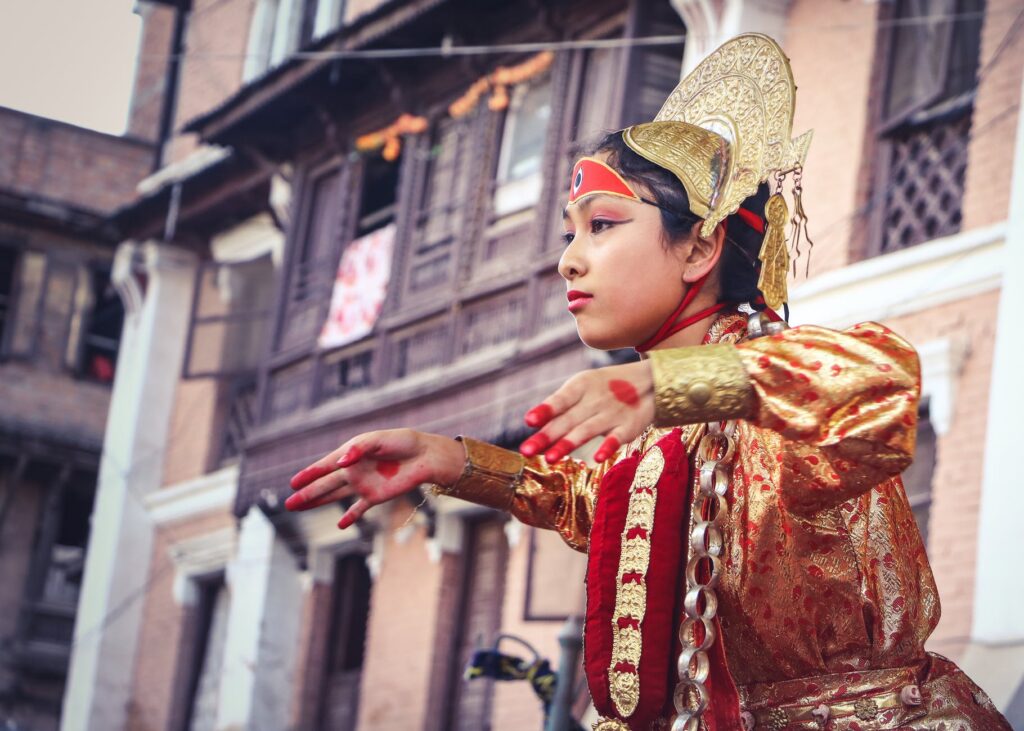
- Tika, Chura, Pote, Sidoor: Nepali married woman wears Tika and Sindoor on her forehead, pote on the neck, and Chura on her hands as a symbol of her marriage and it is believed it is related to her husband’s life span.
- Impure woman: A woman is considered impure for the 4 days of her menstruation. She is not allowed to enter in kitchen and prayer rooms.
- Bahun woman pierced nose: Nose piercing is not just a fashion in Nepal. It’s a tradition that a Bahun girl should have pierced her nose before she her married.
- Son’s importance: Having a son is very important in Nepal. It is believed without the presence of a son the cremation of a dead body.
- Dowry in marriage: Here still exists a system of Dowry in marriages.
- Husband – a god: A woman is supposed to see his husband as a god. If her feet touch him, she should bow in front of him. She is supposed to eat after he eats. She even drinks a handful of water used to clean his feet and it’s called “logne ko khutta ko Jal” – sacred water.
- Mal mass: To adjust lunar months to the solar year, Lunar calendar adds one extra month every third year. This extra month is known by various names: Adhik Maas, Mal Maas, Purushottam Maas, and Malimmacha. This is the thirteenth month of the lunar calendar. Therefore lunar calendar has 13 months every 3 years. During Mal Maas, people keep fasting. Hindus believe, that Pursottam Mas is capable of washing away all sins and bringing happiness and prosperity. During this month a huge amount of charities are performed.
Continue planning
Related trips and destination pages
Use this article as context, then compare live itineraries, destination pages, and practical planning guides on the main site.